A weekly crate of new prog, fusion and the fringes, dug out of the week’s music writing.
A relay, not a sound
Thirty-four tracks, eight of them from the era itself, and the rest of this week's new prog, jazz and fringe — a week built around the bands that kept breaking up on purpose.
Thirty-four tracks, eight of them from the era itself, and the rest of this week's new prog, jazz and fringe — a week built around the bands that kept breaking up on purpose. — ed.
Canterbury scene 1970–1975
One scene, five years — the Whitstable pubs, the Soft Machine splits, and the relay at full speed.
The moment
Start with the joke the musicians made themselves. Hugh Hopper, who lived in Whitstable, called the whole thing "a rather artificial label, a journalistic thing," and added that Robert Wyatt "in fact hates that idea." Dave Stewart complained that plenty of the so-called scene "never had anything to do with Canterbury, the place." Wikipedia's overview lists what the bands did share instead: "a certain whimsicality, touches of psychedelia, rather abstruse lyrics, and a use of improvisation derived from jazz." That is a temperament, not a postcode.
What the five-year window catches is the relay in motion. The Wilde Flowers broke up in 1969 and scattered into Soft Machine, Caravan, Gong, Hatfield and the North, Egg and National Health, with overlapping personnel shuffling between them. Matching Mole is the cleanest single lap: Robert Wyatt formed it in October 1971 after leaving Soft Machine, the debut arrived in April 1972 with "O Caroline" on it, Little Red Record followed that November produced by Robert Fripp, and the band folded in September 1972 — a fourteen-month band. Hatfield and the North picked up the baton almost immediately, running from October 1972 to June 1975 on Virgin, built from ex-Delivery, ex-Gong and ex-Caravan hands, and moving toward "pieces based on riffs in odd time signatures and protracted melodies associated with the Canterbury style." Wyatt's June 1973 fall from a window ended his drumming career and, with it, any chance of a third Matching Mole lineup. The scene kept reforming because its members kept being available.
Why this matters for listening: the relay explains the family resemblance without needing a "Canterbury sound." The same improvising habit turns up whether the vehicle is Caravan's pop-grin, Soft Machine's jazz-rock longforms, or the whimsy Kevin Ayers carried out of Soft Machine's earliest lineup. And it explains this week's modern bookend. Syd Arthur — Liam and Joel Magill, Raven Bush, Fred Rother — came out of Canterbury itself, and the Guardian's profile called them the "sons and heirs of those Canterbury musicians," a phrase that only works because the inheritance was people and habits, not a trademark. A band from the actual city could claim it.
- 1969 · CanterburyThe Wilde Flowers split — the members scatter into Soft Machine, Caravan, Gong, Hatfield and the North, Egg and National Health.
- 1971 · LondonMatching Mole formed — Robert Wyatt leaves Soft Machine and starts the fourteen-month band in October.
- 1972 · AprilMatching Mole debut — includes O'Caroline; this edition's most fragile hand-off.
- 1972 · NovemberLittle Red Record — produced by Robert Fripp; the band folds the same September it tours with Soft Machine — order per the pages: disband September 1972, album November.
- 1972 · OctoberHatfield and the North form — ex-Delivery, ex-Gong, ex-Caravan; Virgin contract; odd-time riffs and protracted melodies through June 1975.
- 1973 · JuneWyatt's fall — the accident ends his drumming and any third Matching Mole lineup; Rock Bottom follows.
- 2010 · CanterburySons and heirs — the Guardian profiles Syd Arthur as inheritors of the Canterbury musicians.


PICK
PICK
PICK
PICK
PICK
PICK
PICK
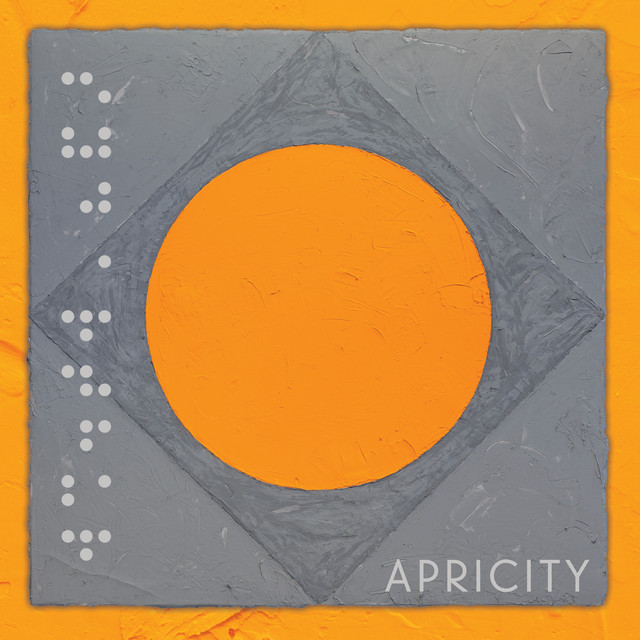
Syd ArthurEvolution
The Guardian called Syd Arthur the "sons and heirs of those Canterbury musicians," and the band call what they do "psychedelic funk rock" — which is the inheritance in two nouns. "Evolution" is from Apricity, and it earns the profile.
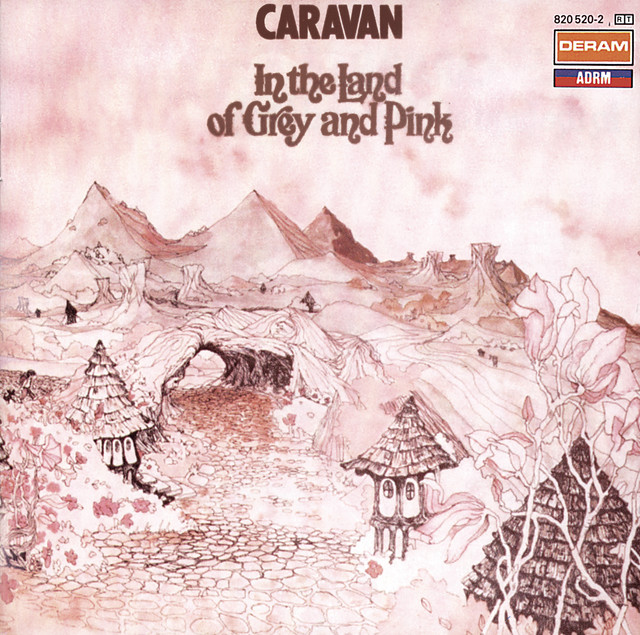
CaravanGolf Girl
From In the Land of Grey and Pink, the album-era Caravan at their most Caravan: whimsy-forward, the jazz-derived improvisation kept on a leash. One of the Wilde Flowers' successor bands, doing the pop-song side of the relay.
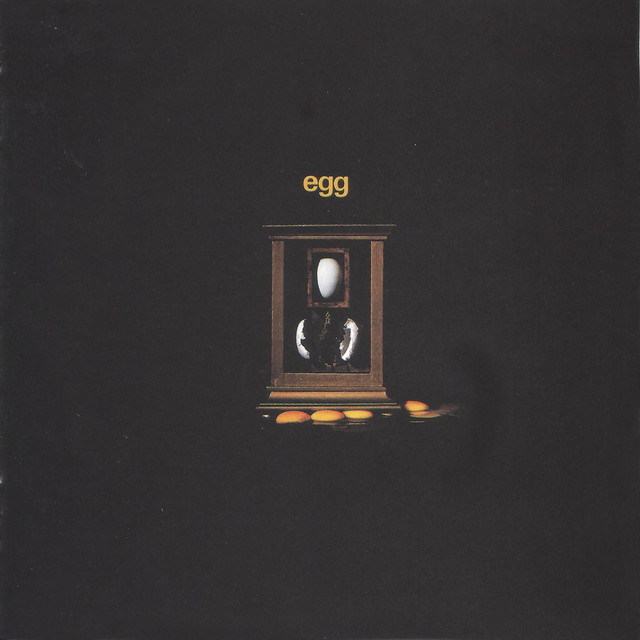
EggFugue In D Minor
Egg sit in Wikipedia's list of bands born from the Wilde Flowers' breakup, and this is the conservatory half of the scene's temperament. Knotty, playful, brief.
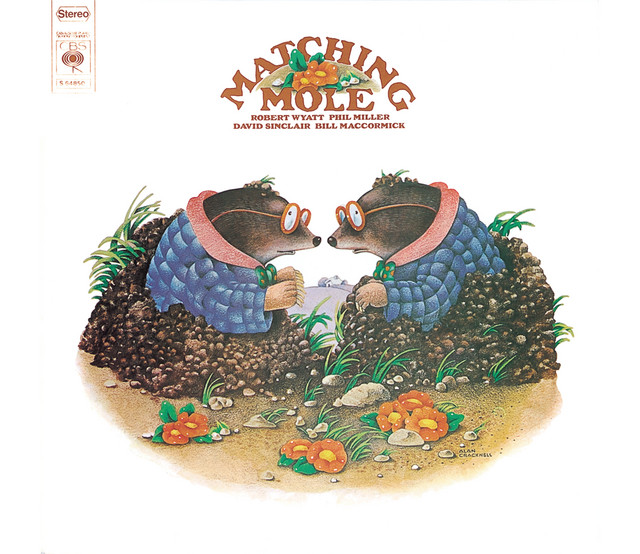
Matching MoleO'Caroline
The fourteen-month band's tenderest tune, from the April 1972 debut. Wyatt sings it half-smiling; within eighteen months the accident had ended that drumming for good. Listen to it as the relay's most fragile hand-off.
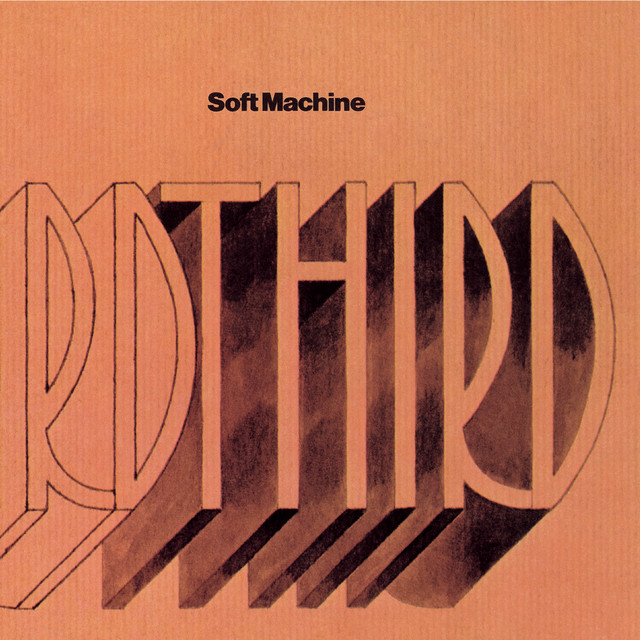
Soft MachineSlightly All The Time
The relay's main line. "Slightly All The Time" opens the longform side of Third — the jazz-derived improvisation the Wikipedia overview lists as one of the scene's common elements, stretched to suite length.
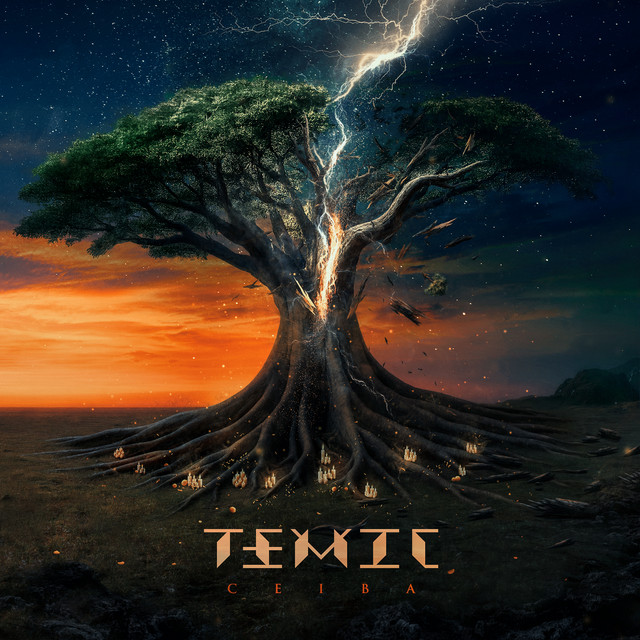
TEMICAsunder
Progspace on the nine-minute mini-epic: "Complex, powerful riffs, staccato beats and slower chord progressions vie for space." Their verdict on the band — "going from strength to strength" — reads true here.
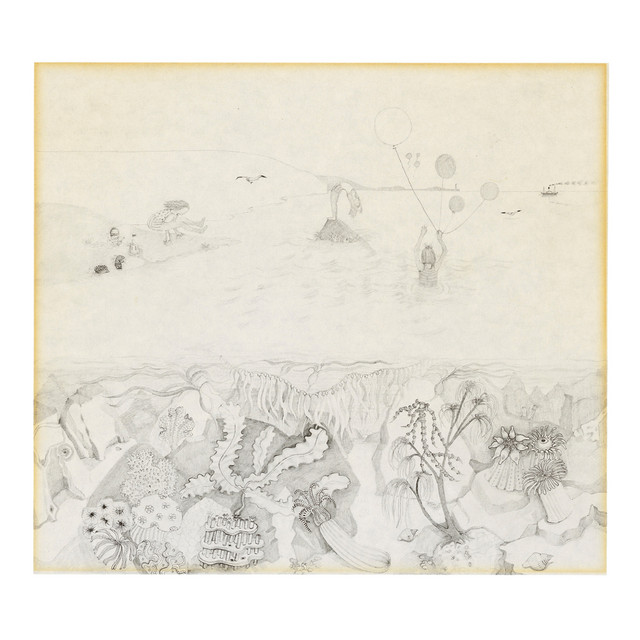
BigmothMantree II: Coma
Progspace finds "groovy, funky rhythms with complex but melodic patterns" and "bags of potential" in this young band. Potential is the right word; the length is the proof.
Robert WyattSea Song
From Rock Bottom, the album that came after the fall. The relay's saddest derivation: the drummer from Matching Mole and Soft Machine, reinvented as a singer. If you know the timeline, it plays differently.
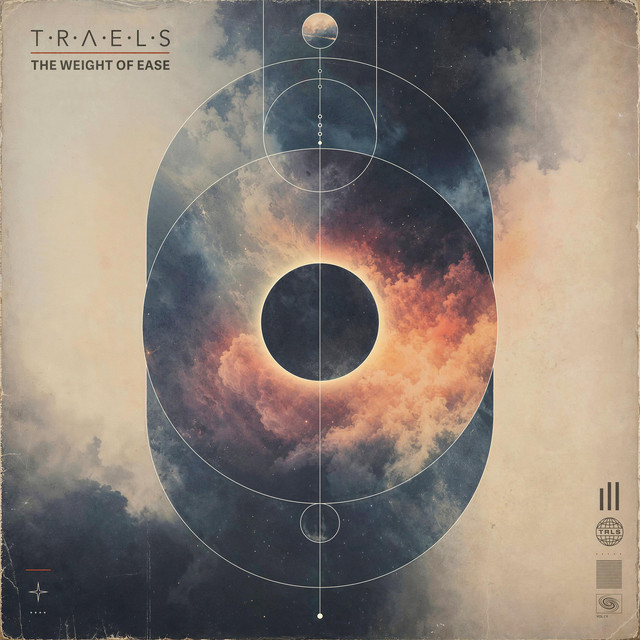
TRAELSThe Weight Of Ease
Post-Rock/Post-Metal unit's second single, shown off in a Studio Alaska playthrough that PRJ says offers "a detailed look at the instrumental musicianship behind their upcoming album." Instrumental, patient, heavy at the seams.
HourGhost Bridge
A Closer Listen hears the Philly ensemble "continuing its slow shift from post-rock to modern composition," the pieces given "more room to breathe." Six tracks, thirty-six minutes.
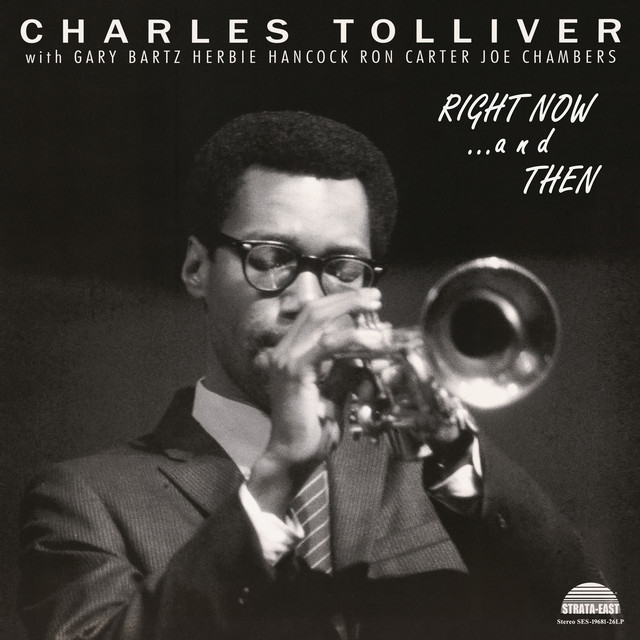
Charles TolliverPaper Man
JazzWord: "The tracks, all but one composed by Tolliver are well-paced, swinging and varied. They can be defined as Hard Bop at its zenith." Herbie Hancock and Ron Carter behind him.
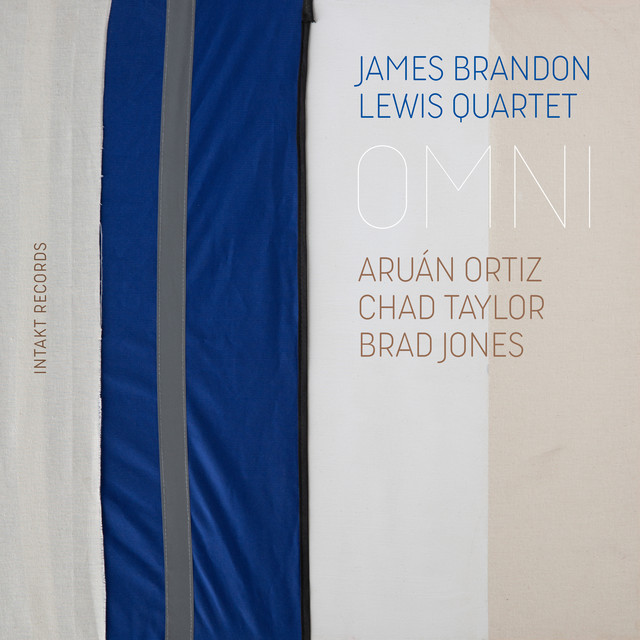
James Brandon LewisOmnipresent
From the Omni record with Aruán Ortiz, Jones and Chad Taylor. JazzWord says the quartet brings "a similar level of emotion and expertise" to the Perelman-Shipp-Parker-Kapp set — high company, fairly measured.
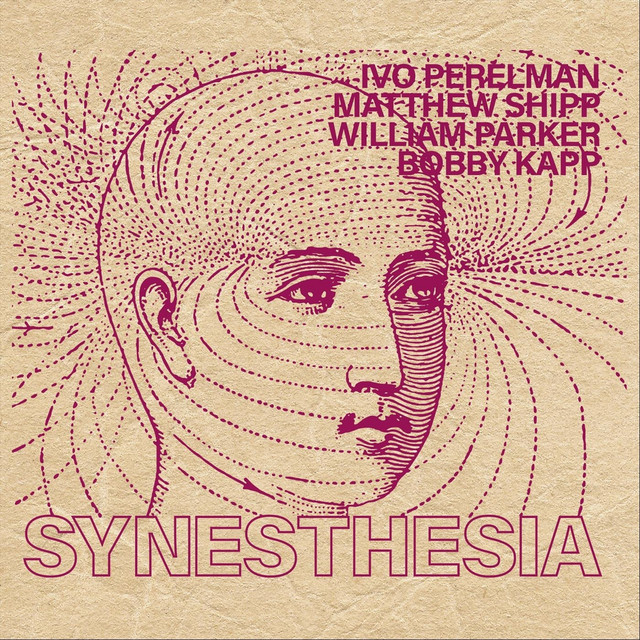
Ivo PerelmanPhosphene
Synesthesia, the four-way summit with Matthew Shipp, William Parker and Bobby Kapp. JazzWord's phrase: "pure improvisation veterans."
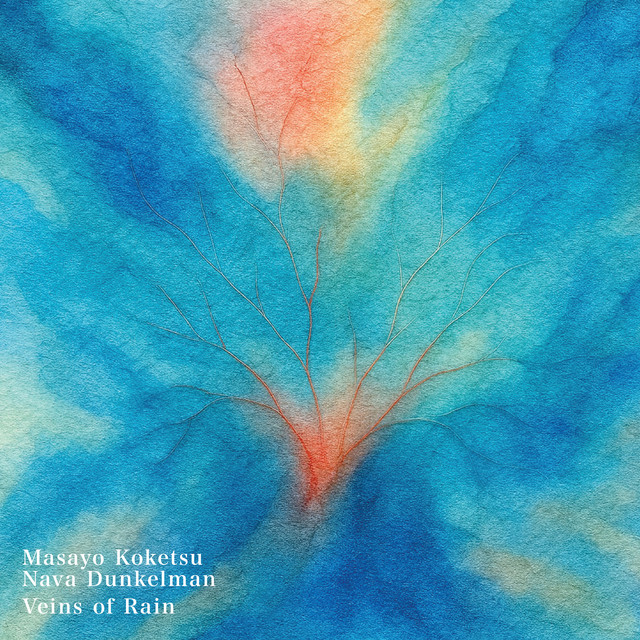
Masayo Koketsuhatsurai
Sax-and-drums duo with Nava Dunkelman. The Free Jazz Collective's framing: any drummer-sax pair "must be very brave indeed, knowing that a comparison to Interstellar Space is almost inevitable." Brave, and it holds.
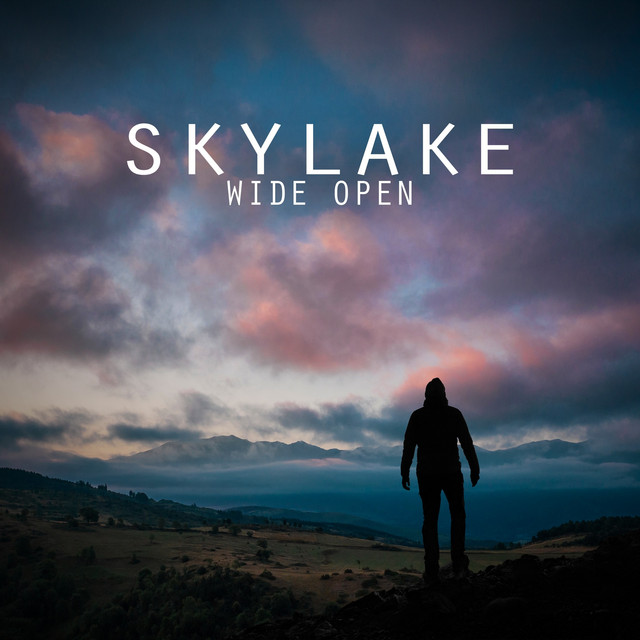
SkylakeWide Open
Prog's Tracks of the Week calls the Dutch quartet's single "breezy and melodic" — the first new music from upcoming second album The Deep Dive. First taste, and it works.
XEELEECycles
A twelve-minute debut single from a UK prog duo, posted by Progspace September 30. Starting at full length: patience first, resume later.
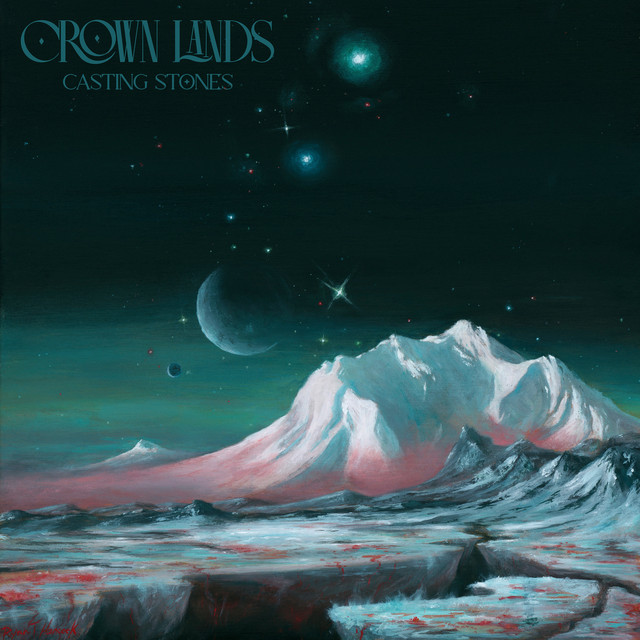
Crown LandsCasting Stones
A three-track EP drawn from the Apocalypse sessions; drummer-vocalist Cody Bowles says the title track is "a very important song to me," and that writing it taught him he was "a lot more resilient" than he'd thought. Canadian duo, big surfaces.
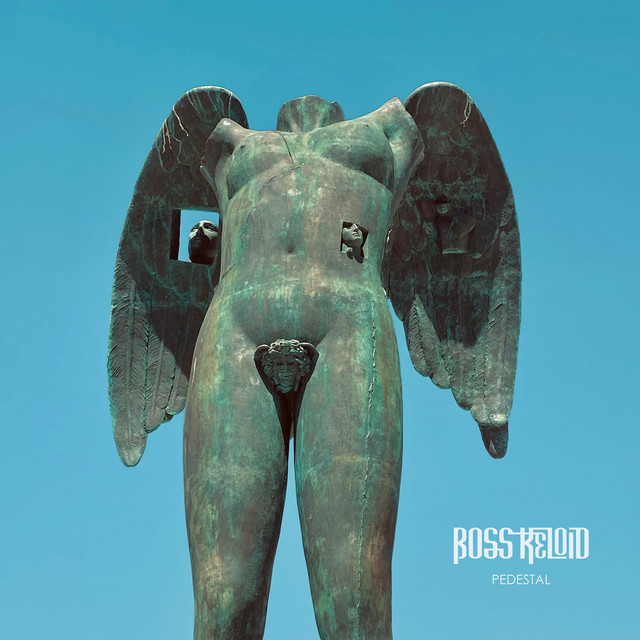
Boss KeloidPedestal
In Prog's Tracks of the Week this week — that's all the notes give us, and it was enough to land here.
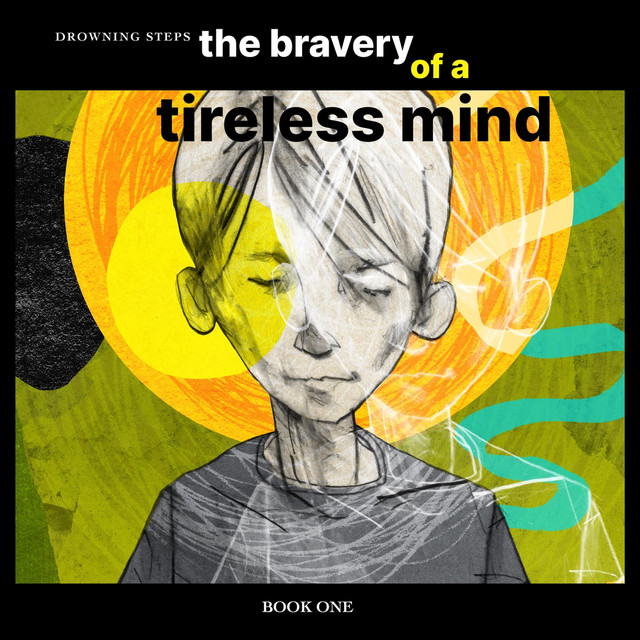
Drowning StepsThe Angels and the Playground
The PROG Mind hears "the melodic sensibilities of Riverside, the instrumental prowess of Porcupine Tree, and the expressive nature of Muse" in this record. The opener "gives a sense of the human condition pretty quickly" — their phrase, and it's right.
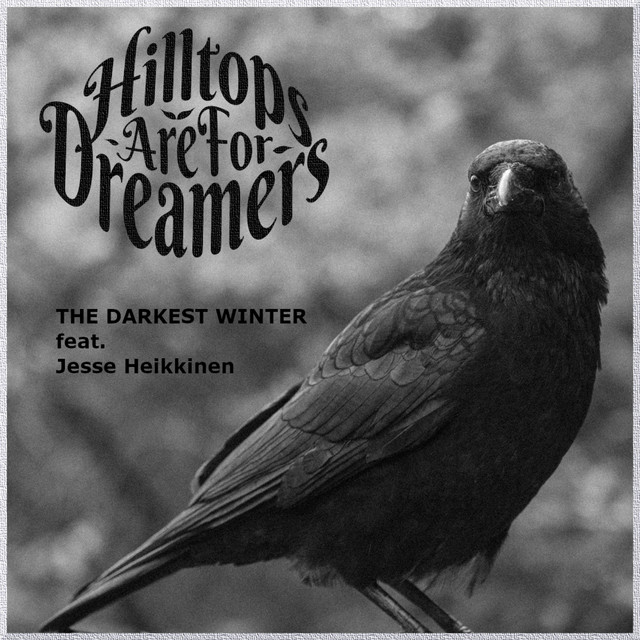
Hilltops Are for DreamersThe Darkest Winter
One of PRJ's October playlist additions, alongside a grab bag of avant-garde and post-rock. Dark title, slow build.
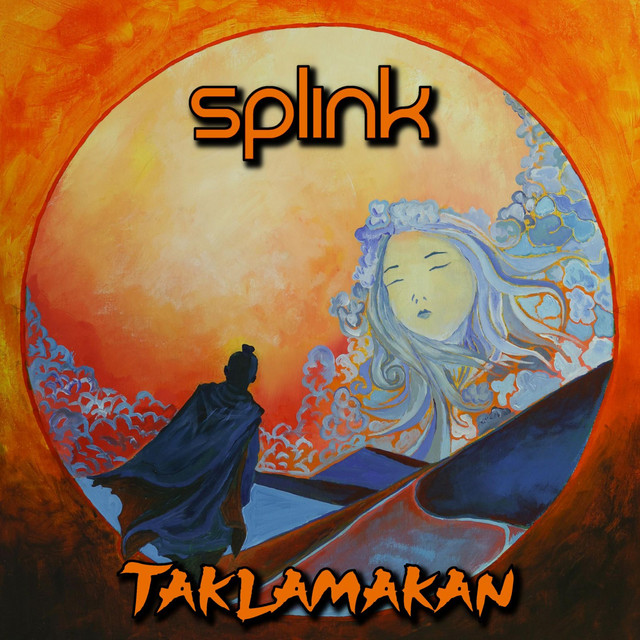
SplinkThe Waters of Kashgar
The British quartet's debut concept album Taklamakan "weaves Progressive Rock, Folk motifs, and Psychedelic jams into a tragic desert romance," per PRJ's interview. Two discs. A band unafraid of ambition.
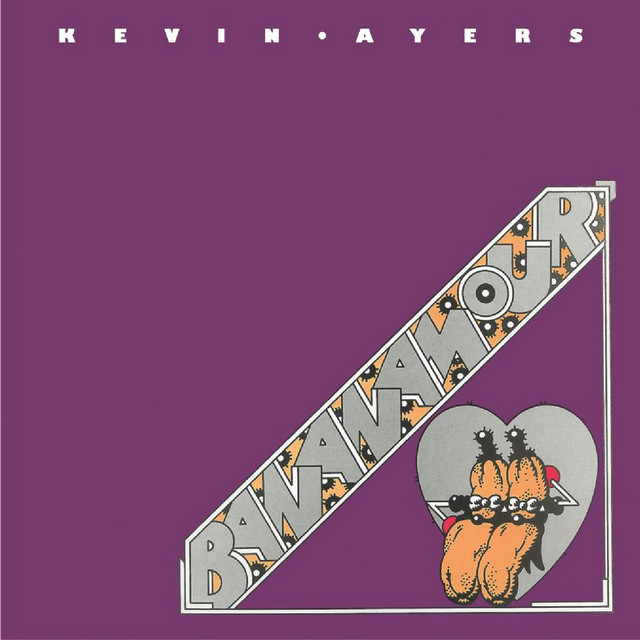
Kevin AyersOh! Wot a Dream - 2003 Remaster
A Soft Machine founder doing what Ayers did — whimsy with a shrug. Wikipedia counts him among the avant-garde and fusion players who "began their career in Canterbury bands."
GongFlying Teapot - Remastered 2018
Daevid Allen's outfit is the strangest branch on the family tree and the most durable. Title track of Flying Teapot — mythology, glissando guitars, and the scene's psychedelia cranked past satire.
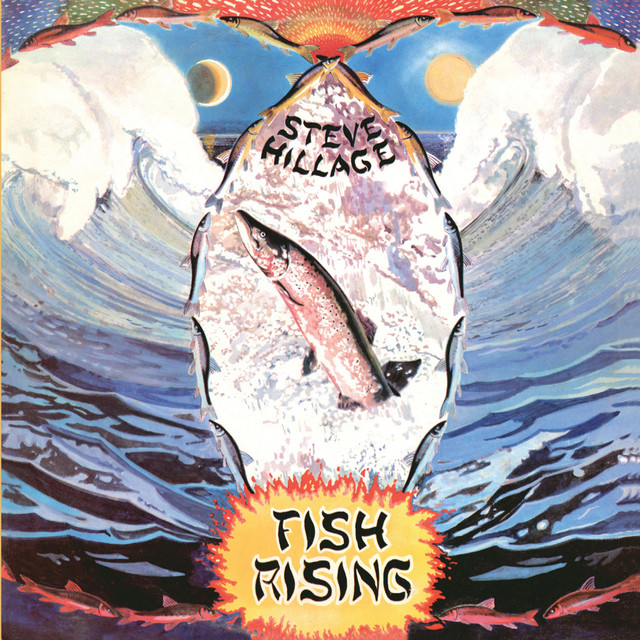
Steve HillageThe Salmon Song - 2006 Digital Remaster
Wikipedia names Hillage among the musicians who began their careers in Canterbury bands, and this is him at his most cosmic. The glissando guitar lineage runs straight back through Gong.
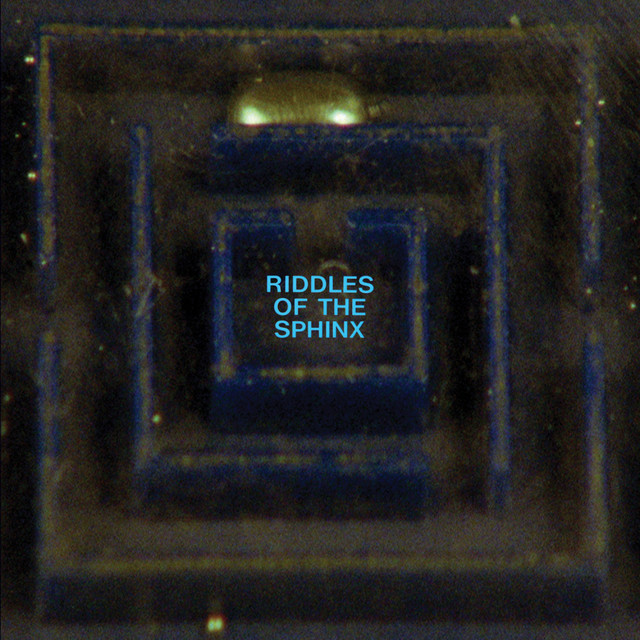
Mike RatledgeRiddles of The Sphinx Sequence 2
Soft Machine's keyboardist, named in the scene's core roster, in full minimalist mode for the Riddles of the Sphinx soundtrack. The jazz-improvisation habit distilled to repeating cells.
Emna MâarefOuverture’25
A Closer Listen on the oud player's full-length: "longing generates movement: through maqām, improvisation and an oud vocabulary shaped by two decades of playing." Recorded at Montreal's Hotel2Tango in a single day.
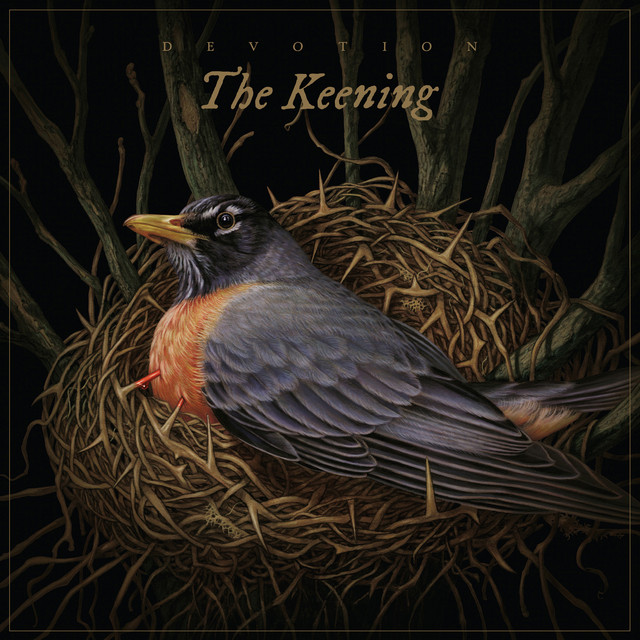
The KeeningA Little Bit Of Blood
Rebecca Vernon's project, from the album Devotion; PRJ files it as dark folk, doom and gothic avant-garde in one. Wildcard, and it earns the slot.
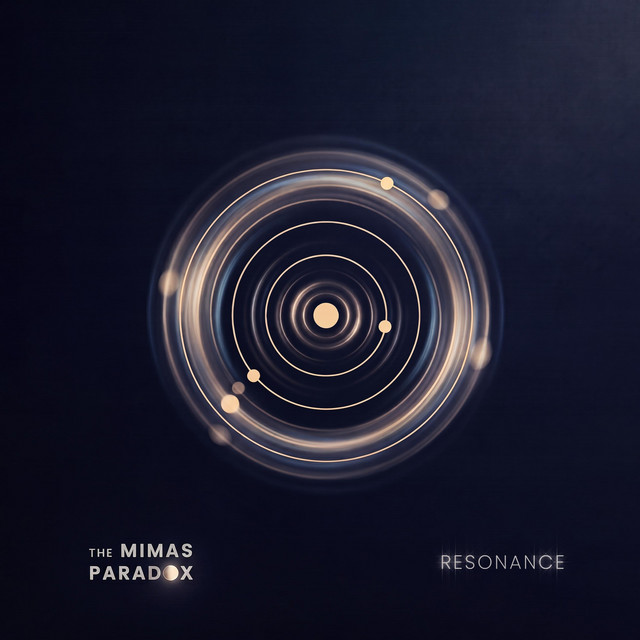
The Mimas ParadoxCosmic Solitude
The PROG Mind on the October 1 album from Daniel Kriffel and Ferenc Izsépi: synth and programming that sounds "cosmic, otherworldly," but enough electric guitar to "feel like post-rock or darkwave." Space music with a chassis.
ÜmlautCold Remains
Jeff Düngfelder built an album from the sounds of his house in Weatogue, Connecticut; A Closer Listen says it "sounds like his home but feels like a universalized home." Field recordings as domestic chamber music.
Arcane AlliesAestesia
Also in Prog's Tracks of the Week, part of a roundup Prog itself bills as "new and diverse slices of progressively inclined music." This was the strangest slice we heard.
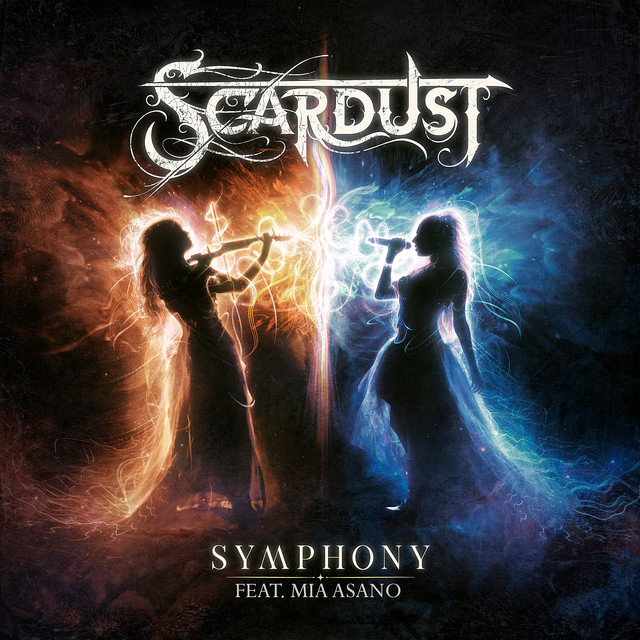
ScardustSymphony (feat. Mia Asano)
Prog ran this in Tracks of the Week too. A cover done as an argument, not a tribute.
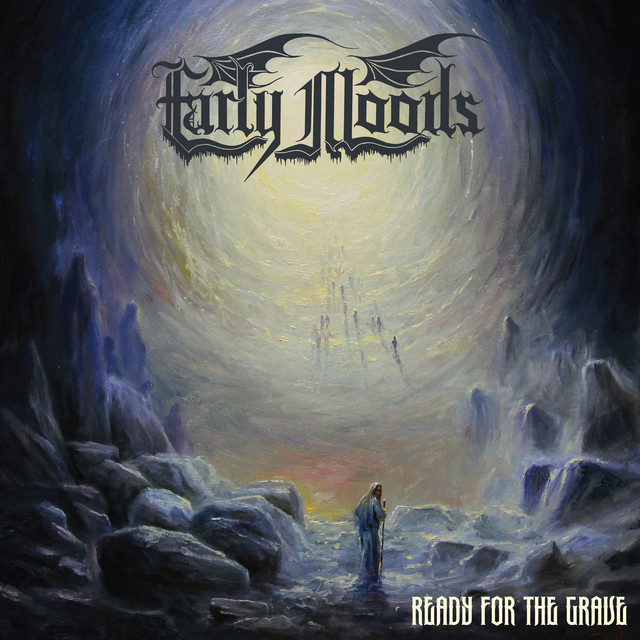
Early MoodsReady For The Grave
Third LP from the Los Angeles quintet on RidingEasy. PRJ's review credits "a baritone that never quite soars but always presses" — an odd compliment, and an accurate one.
ThotWhat Shall We Do Now
The French act's Pink Floyd cover from Pelagic's The Dungeon Tapes compilation. Frontman Grégoire Fray: "I was fascinated by the power and enduring relevance of Roger Waters' lyrics." A cover argued for, not phoned in.
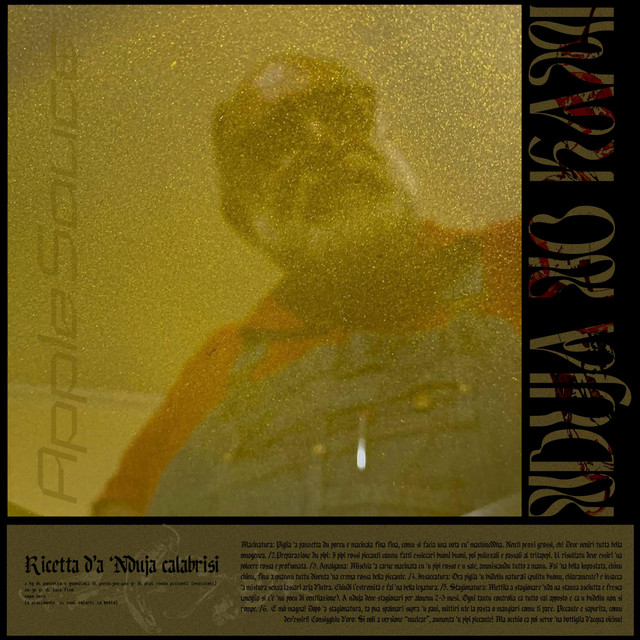
Apple Sauce'Nduja No Kami
Progspace premiered the return with the promise "even crazier than before." Delivered.
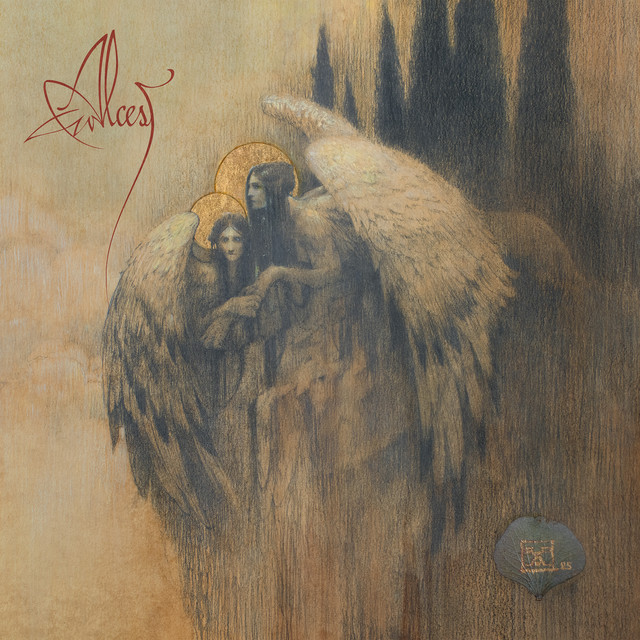
AlcestProtection - Live at Hellfest 2022
First taster of the duo's live album Live At Hellfest 2022. Live Alcest was the question; this is the answer.
Kolman & CalvertKain
First single from the Oslo duo's The Pink Carnage of Cartilago, due November 6 on Apollon Records. PRJ hears a duo moving between hushed intimacy and full-throated intensity, with nods to Cabaret, Opera, Prog, and Punk.
ØlypMolden
From PRJ's review of Immortal: "Molden" blends Dark Ambient motifs and Experimental textures. A wide-screen drone with the lights off.
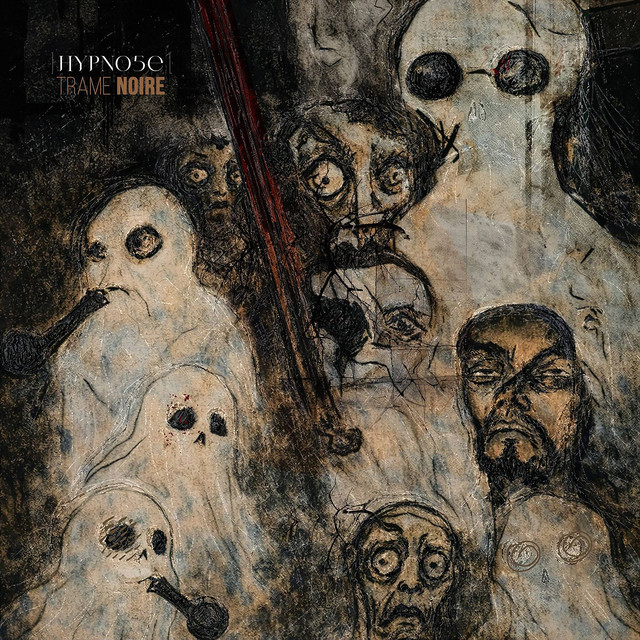
Hypno5eTrame Noire
Prog calls it a "wonderfully atmospheric ten-minute-long" title track — the seventh album's centerpiece, out through Pelagic Records. Two decades in, and the band also announced a 13LP discography box.